Reconditioned Land Rover Freelander Engine Review: Real World Performance & Cost Breakdown
March 6, 2026
What Exactly Happens During a Reconditioned Engine Build — and How Does It Differ from a Rebuilt or Remanufactured Unit?
When you hear the term rebuilt Land Rover Freelander engine, it is easy to assume all reconditioned, rebuilt, and remanufactured units are essentially the same thing. They are not. A reconditioned engine (also called a recon engine) is stripped back to the bare block, assessed for wear, and then rebuilt using a combination of new and refurbished components. The extent of the work varies between suppliers, but a proper reconditioning process should include cylinder head resurfacing, crankshaft grinding to restore journal tolerances, engine block honing to achieve the correct bore finish, and the fitting of oversized pistons and rings where necessary. All this work is carried out against British Engineering Standards (BS EN), which govern acceptable tolerances and clearances to ensure the engine performs reliably once installed.
A remanufactured Land Rover Freelander engine, by contrast, is rebuilt to OEM (Original Equipment Manufacturer) specification — meaning every component is replaced with parts that meet or exceed the original factory standard. This is the most thorough form of reconditioning and typically commands a higher price, though it comes closest to the performance and longevity of a brand-new unit. A used Land Rover Freelander engine (sometimes called a second hand or 2nd hand engine), on the other hand, is simply removed from a donor vehicle and sold without any machining work. It may have relatively low mileage, but you are buying the engine in the condition it left the scrapped car — warts and all. Compression testing is rarely carried out on such units, and there is no guarantee of internal combustion assembly quality. Understanding this distinction is essential before you decide where to spend your money.
How Much Does a Reconditioned Engine Really Cost — and What Should the Full Reconditioned Engine Price List in the UK Actually Include?
One of the most common frustrations among Freelander owners is receiving a quote that looks reasonable on paper, only to discover a raft of additional charges once the job is under way. When researching the reconditioned engine price for Land Rover Freelander, you need to consider far more than the unit cost alone. A reconditioned 1.8 petrol engine typically starts around £850–£1,100 supplied only, while a TD4 diesel unit — being more complex — usually sits in the £1,200–£1,800 range from a reputable supplier. The V6 petrol unit commands a premium and can exceed £2,000 for a quality reconditioned example. These figures reflect the real market as of the latest data available, though it is always worth obtaining fixed-price quotes from multiple sources to compare accurately.
The cost of a reconditioned engine is, however, only part of the total expenditure. A complete reconditioned engines price list UK should clearly break down VAT inclusive pricing, any surcharge or exchange policy for returning your old core unit, and the cost of ancillary parts such as the water pump, timing belt, and gaskets — all of which should ideally be replaced during fitting. Labour rates per hour vary significantly across the UK, typically ranging from £50–£90 per hour depending on location and garage type, and a full engine swap on a Freelander generally takes 8–12 hours. When comparing the cost of reconditioned engine work against buying a used motor engine, factor in the warranty, the machining quality, and the guarantee offered — because a cheap used engine that fails within six months will cost far more in the long run than a properly reconditioned unit bought right first time.
Where Is the Best Place to Buy a Replacement Land Rover Freelander Engine — and How Do You Avoid the Common Pitfalls When Searching for an Engine for Sale in the UK?
The UK market for replacement Land Rover Freelander engines is remarkably diverse, spanning specialist reconditioners, salvage yards, online marketplaces, and franchise dealers. Knowing where to look — and what to look for — can mean the difference between a reliable rebuild and a costly disaster. When using online searches to find an engine for sale in UK, pay close attention to supplier credentials. Reputable suppliers should offer verified mileage documentation, service history records for donor vehicles, and ideally an HPI clearance check to confirm the source vehicle was not a write-off or subject to outstanding finance. Customer testimonials and Trustpilot ratings are valuable indicators of real-world reliability, particularly for businesses that trade primarily online.
For those searching for used engine for sale near me or visiting local engine sales, it is worth asking the seller directly whether compression testing has been carried out, and whether the unit comes with a buyer protection guarantee. VOSA-approved garages that also supply engines are generally a safer option than a private listing on a classified site, because they have a reputational stake in what they sell. If you are buying an engine independently and arranging your own installation, use secure checkout or escrow services where possible, and confirm the returns policy before committing. Many reputable online reconditioners now offer recycled vehicle components — often called green parts — as a more sustainable and cost-effective alternative to newly manufactured spares, and these can be a sound option provided the supplier is transparent about the donor vehicle's condition.
Is It Better to Have a Land Rover Freelander Supplied and Fitted by One Company — or Source the Engine and Arrange Separate Installation?
The debate between Land Rover Freelander supplied and fitted packages versus sourcing and fitting independently is one that genuinely splits opinion among experienced owners and mechanics alike. An engine supply and fitting package from a single company has some distinct advantages: the supplier is accountable for both the quality of the unit and the competence of the installation, warranty claim procedures are simpler because there is no dispute between the engine provider and the fitter about who is responsible if something goes wrong, and the total job is typically priced more competitively when bought as a bundle. Searching for engine supply and fit near me is a sensible starting point, as local specialists are easier to hold to account and often provide faster turnaround times than national chains.
That said, there are scenarios where sourcing the engine independently makes good financial sense — particularly if you already have a trusted independent garage with a strong track record, or if you have access to a quality reconditioned unit at a significantly lower price than a supplied-and-fitted package. In these cases, ensure your chosen replacement engine supplier near me provides full technical documentation with the unit, including compression test results and a breakdown of machining costs, so your installer can verify the engine's condition before fitting. The installation itself requires an engine hoist and specialised tools, and the process should always include a full fluid flush and refill — coolant and oil at minimum — along with a diagnostic scan to check for any diagnostic trouble codes (DTCs) and ECU re-programming where necessary. Skipping these steps to save a small amount of money is a false economy that regularly results in avoidable post-installation problems.
What Real-World Performance Can You Expect After Fitting a Reconditioned Engine — and How Does It Compare to a Second Hand Land Rover Freelander Engine?
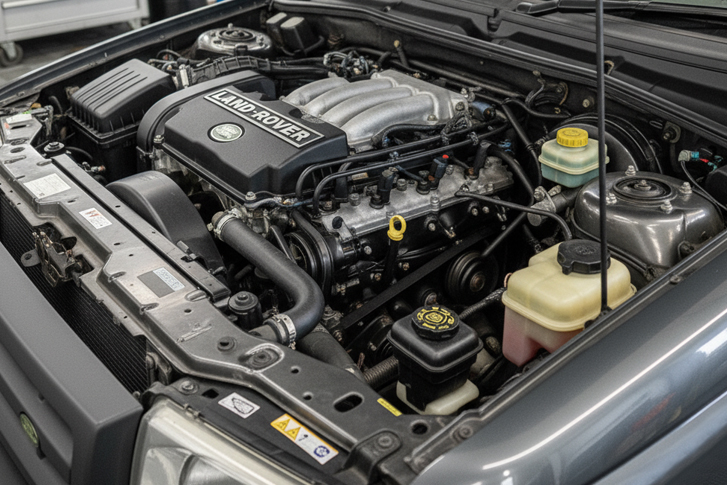
Performance expectations after fitting a reconditioned engines fitted near me through a reputable supplier are, in most cases, genuinely positive. Owners who opt for a properly remanufactured unit — built to OEM specification with cylinder head resurfacing, crankshaft grinding, and new piston rings — typically report performance that feels indistinguishable from a new engine, at least in the early months. The Freelander's TD4 diesel, in particular, responds well to reconditioning because it is an engine that was fundamentally well-engineered; its weaknesses come largely from wear, poor servicing history, and occasionally from turbo-related oil ingress rather than inherent design flaws. A properly reconditioned version of this unit, when fitted with new ancillary components, can deliver another 80,000–100,000 miles of reliable service with appropriate maintenance.
Compare this with a second hand Land Rover Freelander engine sourced from a breaker, and the gap in reliability becomes more apparent over time. A low-mileage used unit may run perfectly for years — or it may develop internal wear issues that were never apparent from the outside. The absence of compression testing and internal inspection means you are accepting an unknown quantity. From a market value depreciation perspective, fitting a reconditioned engine also protects the residual value of your Freelander better than fitting a used engine, because a buyer — or an insurer — can be given documented evidence of the machining work carried out and the warranty in place. For higher-mileage Freelanders that are otherwise in sound condition, a reconditioned engine represents better long-term value than a like-for-like used engine swap, and significantly better value than writing the vehicle off entirely.
Written by Jennifer James | Dedicated ET Automotive Writer & MechanicCategories
- Audi Engines
- Range Rover Engines
- Volkswagen Engines
- Ford Engines
- BMW Engines
- Subaru Engines
- Honda Engines
- hybrid Engines
- Euro NCAP
- Off-Road Engines
- MINI Engines
- Mitsubishi Engines
- saloon Engines
- Jaguar Engines
- Van Engines
- Land Rover Engines
- Mercedes-Benz Engines
- Nissan Qashqai Engines
- Peugeot Engines
- Skoda Engines
- Vauxhall Engines
- Automatic Transmission
- Alfa Romeo Engines
- Fuel Economy Engines
- Citroen Engines
- Iveco Engines
- SUV Engines
- diesel engines
- Mazda Engines
- cars Engines
- Renault Engines
- engines
- Toyota Engines
- Nissan Engines
- KIA Engines
- Diesel Engine
- Hyundai Engines
- Infographic
- Petrol Engine
- Engine
- UK Engines
- Suzuki Engines
- Daihatsu Engines
- General Engines
- Hatchback
- new technology
- Insurance
- Fiat Engines